
How do you get a taxi licence? Routes in and steps in Madrid
A taxi licence is obtained from the City Council when it offers new licences or, most commonly, by buying one from a licence holder with municipal authorisation. We explain the whole process.
Published on 25 September 2016 Updated on 1 November 2026 7 min read
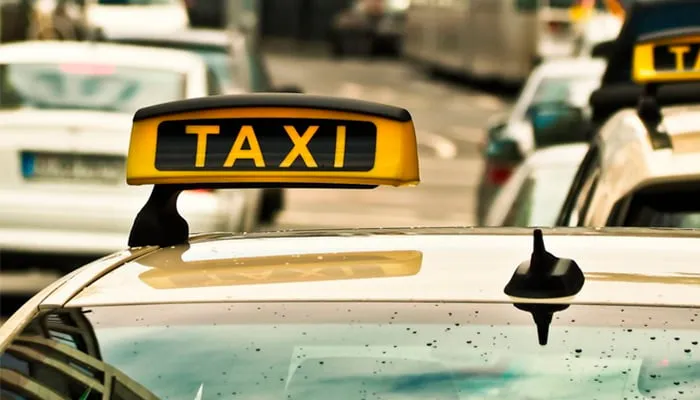
There are two ways to get a taxi licence: through allocation by the City Council, when it offers new licences (something rare in cities like Madrid, where their number is capped), or through a transfer, that is, buying one from a licence holder who is selling, always with municipal authorisation. In both cases, the future licence holder must meet the requirements of the regulations, including holding the municipal taxi driver's permit, and then put a suitable vehicle into service, with a taximeter, insurance and registration as self-employed.
It is one of the questions we are asked most, and that makes sense: taxis are a regulated public service and access is not open as it is for other businesses. In this guide we explain the general process in Madrid. Bear in mind that the specific requirements, fees and timescales are set by the current regulations of Madrid City Council and the Madrid region, which change over time; before taking any step, always check the official information.
Taxi licence and driver's permit: not the same thing
The most common confusion is thinking that “getting your licence” means passing an exam. In reality there are two different permits, and to work for yourself you need both.
| Taxi licence | Municipal driver's permit | |
|---|---|---|
| What it is | Authorisation to provide the taxi service with a specific vehicle | The personal accreditation to drive a taxi |
| Who grants it | The City Council | The City Council, after you pass its tests |
| How you get it | Through municipal allocation or a transfer from a licence holder | By meeting the requirements and passing the municipal exam |
| What it is for | Owning the business | Working behind the wheel, as an owner or as an employee |
| Number available | Capped by the City Council | No quota: it depends on passing |
That is why many people drive a taxi without owning a licence: they hold the driver's permit and work as employees for a licence holder. If that is your goal, you will find our guide on how to become a taxi driver more useful, as it focuses on the municipal exam and the first steps in the job.
The two ways to get a taxi licence
New licences from the City Council
The City Council decides how many taxi licences there are in its area according to service needs. When it considers that more are needed, it can open a procedure to allocate them, with its own rules, requirements and assessment criteria. In Madrid these calls are exceptional, so it is not wise to plan a career waiting for one.
Transfer of an existing licence
This is how most new licence holders get in. A taxi driver who retires or leaves the profession transfers their licence to someone else, normally in exchange for a price agreed between them. The operation is not a simple private sale: the City Council has to authorise it and check that the buyer meets the requirements. The price is set by the market and varies a lot over time, so there is no point giving figures. In our article on how to get a taxi licence by buying it from a licence holder you will find what to check before signing.
Usual requirements for holding a licence
Each set of regulations has its exact list, but these are the requirements that come up in most cases:
- Being an individual and not already holding another licence, where the regulations limit the number of licences per person.
- A category B driving licence, held for the minimum period required.
- A valid municipal taxi driver's permit.
- Spanish or European Union nationality, or a residence and work permit that allows you to be self-employed.
- Being up to date with your tax and Social Security obligations.
- Having a vehicle that meets the conditions set for taxis, owned or under another accepted arrangement.
- Insurance covering civil liability on the terms required by the regulations.
The requirements for driving a taxi (age, medical certificate, criminal record, exam) are explained in detail in taxi driver requirements. And if you are wondering about the old BTP permit, which for years was needed to drive a taxi, we explain what happened to it in the end of the BTP permit.
Steps to get a taxi on the road in Madrid
-
1
Get the municipal driver's permit
Meet the personal requirements, then prepare for and pass the municipal exam. Without this permit you cannot hold a licence or drive.
-
2
Obtain the licence
Through allocation, if there is a call, or through a transfer from a licence holder, with the City Council's authorisation.
-
3
Prepare the vehicle
A model approved for the service, with the official Madrid taxi livery, a verified and sealed taximeter, a roof light and the required paperwork.
-
4
Set up the business properly
Register as self-employed and with the tax office, insure the vehicle, keep the ITV (roadworthiness test) up to date and pass the municipal taxi inspection when due.
-
5
Start working
In the street and at ranks, signed up to a dispatch company or radio taxi, with apps or with your own customers.
How much it costs and how long it takes
There is no single answer, and be wary of anyone who gives you a fixed figure. The total cost depends mainly on three items: the price of the licence in a transfer, set by the market at any given time; the vehicle and its equipment; and the fees and paperwork, published by the City Council. Timescales depend on the exam dates for the driver's permit and on how long the transfer takes to process.
On top of the initial investment come the fixed monthly costs: self-employed contributions, insurance, fuel or electricity, maintenance and inspections. We have devoted a whole article to this part, making a living with a taxi, because it is what weighs most when deciding whether the project is worth it.
What the licence means for you as a passenger
This whole process has a practical consequence: a licensed taxi is an authorised vehicle, with an accredited driver, proper insurance and official fares. In Madrid, taxis are white with a red stripe on the front doors, display the licence number and have a light on the roof; we explain it in the colour of taxis in Madrid.
Our service works with official taxis licensed by Madrid City Council, 24 hours a day and to any Barajas terminal. You can book your taxi to the airport at a fixed fare by area: from inside the M-30, €33; the other areas are on our fares page.
Travel to the airport in an official taxi
Taxis licensed by Madrid City Council, a fixed price by area and a 24-hour service to all four terminals.
Fixed fares
Airport taxi from your area
- Interior M-30 €33
- Torrejón de Ardoz €30
- Alcobendas €33
- San Sebastián de los Reyes Pueblo €33
- Alcalá de Henares €53
- Getafe €53
- Leganés €53
- Majadahonda €53
- Las Rozas de Madrid €58
- Móstoles €63
- Alcorcón €63
- Fuenlabrada €63
Need a taxi to the airport?
Instant fixed price. No sign-up.
- Journey
- When
- Your details
We can't find it on the list.
Call or message us and we'll give you a price straight away.
Terminal · Madrid-Barajas
Your fixed price
Passengers
Suitcases
Your fixed price
Booking received!
We'll confirm your booking by phone shortly. If it's for less than 2 hours from now, please call us directly.
Reference
Your fixed price